World's Rarest Parrot Just Had a Massive Baby Boom
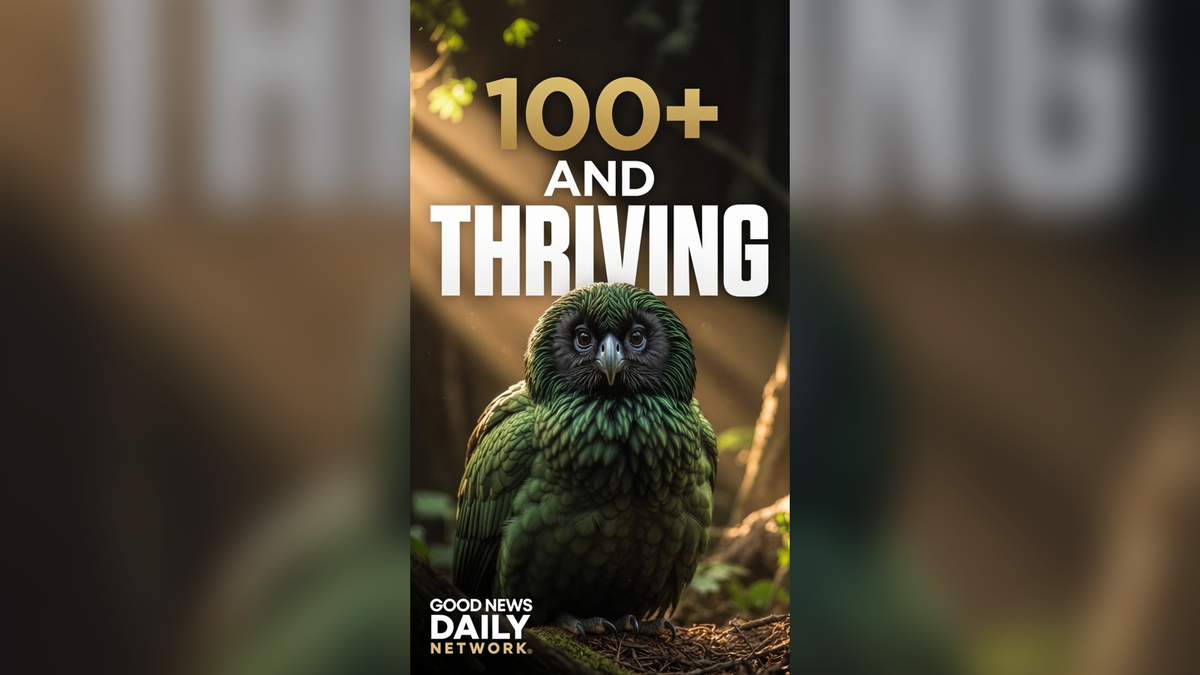
Kākāpō are flightless, nocturnal, and among the rarest parrots on Earth — down to just 51 birds in 1995. This year they had their biggest breeding season on record: more than 100 chicks, smashing the previous record of 85.
✓ Verified · cross-checked against 2 independent sources
There is a parrot in New Zealand so strange it almost shouldn't exist. It can't fly. It only comes out at night. And to attract a mate, the male makes a booming sound so deep you can feel it in your chest from half a mountain away.
This year, that parrot just had the best breeding season of its entire existence.
Meet the kākāpō — the world's heaviest parrot, and one of its rarest. In 1995, there were only 51 of them left on Earth. Every single one now wears a tiny radio backpack so rangers can track it, because kākāpō don't breed every year. They wait for the rimu trees to mast — a rare mass-fruiting event that happens only once every two to four years — and treat that as their cue.
This year, the rimu delivered, and so did the kākāpō. New Zealand's Department of Conservation and Ngāi Tahu had been quietly hoping for something special, and they got it: more than one hundred chicks hatched, blowing past the previous record of eighty-five set back in 2019. It is, officially, the biggest kākāpō breeding season since the recovery program began three decades ago.
None of it happened easily. Kākāpō chicks are fragile, and this season needed real hands-on heroics to protect them. At one nest, an Auckland Zoo vet named Adam Naylor found a chick that had gone limp and turned an alarming shade of purple. He did what any of us would hope somebody would do — he gently breathed into its tiny beak until, after the longest minute of his life, it took a breath on its own. Days later, he was stitching a wound on a different chick with sutures smaller than a fingernail. By nightfall, that same chick was, in his words, "as happy as anything and begging for food."
That is the part of this story worth sitting with. A species this endangered doesn't just need luck — it needs people willing to crouch in the dark on a remote island, holding their breath for a bird most of us will never see in the wild. Every booming call, every fragile egg, every backpack transmitter represents someone who decided this strange, flightless, oddly beloved bird was worth the trouble.
One hundred new chances at survival, for a species that once had almost none. That is what a good year looks like when you are trying to save something irreplaceable.
Sources: rnz.co.nz · doc.govt.nz
Enjoy good news? Get your daily dose of sunshine free →
This post may contain affiliate links; we may earn a small commission at no cost to you. AI disclosure: our videos are produced with AI tools (ElevenLabs voice, Pictory) with human research, fact-checking, and editorial review on every story.