
Gone 34 Years — Now They're Swimming Home
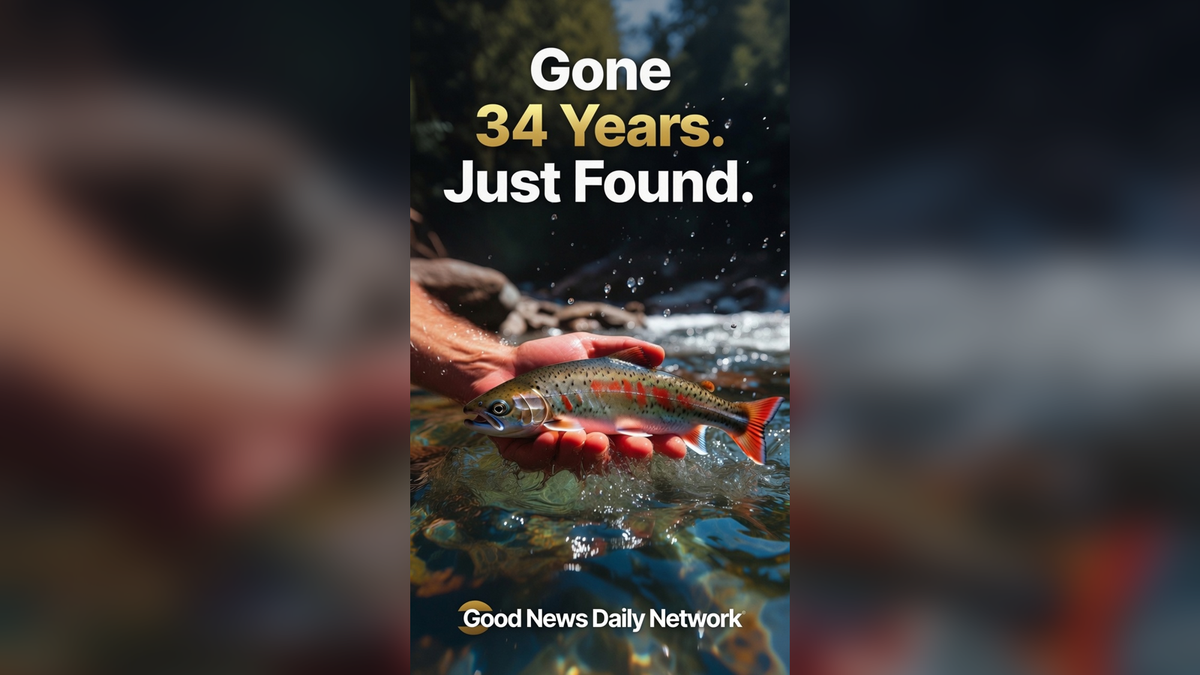
A creek north of Ukiah, California hadn't seen a baby coho salmon since 1991. Then Pinoleville Pomo Nation water specialist Dakota Perez Gonzalez went snorkeling — and found the first proof in 34 years that the species is coming back.
✓ Verified · cross-checked against 2 independent sources
A creek north of Ukiah, California hadn't seen a baby salmon in thirty-four years — until one woman went looking, and found exactly what everyone assumed was gone for good.
Her name is Dakota Perez Gonzalez, and what she found that afternoon would take months to fully understand.
For more than three decades, coho salmon had disappeared from the upper basin of California's Russian River. Biologists with the state and federal government believed the population simply couldn't find its way back — the habitat had been cut off, the fish hadn't been seen reproducing there since 1991, and an entire generation of scientists had grown up assuming that chapter of the watershed was closed for good.
Then, last June, Dakota Perez Gonzalez — a Water Resources Specialist with the Pinoleville Pomo Nation — went snorkeling in an isolated pool on Ackerman Creek. And there they were: juvenile coho salmon, holding in shrinking water that was cut off from the rest of the stream. The discovery meant something remarkable had already happened months earlier — adult coho had swum more than ninety miles upstream from the Pacific Ocean, all the way into this one small tributary, to spawn. But it also meant these young fish were now in real danger. The pool was drying up, and without help, they wouldn't survive the summer.
So the Pinoleville Pomo Nation and the California Department of Fish and Wildlife moved fast. Crews netted the stranded fish — coho, along with steelhead and Chinook salmon sharing the same shrinking pool — and carried them to the Warm Springs Fish Hatchery, where a coho recovery program has been quietly working since 2001. There, the rescued fish will be raised to adulthood, spawned, and their offspring released back into the watershed — strengthening the genetic diversity of a species that nearly vanished from this river altogether.
For the Pinoleville Pomo Nation, this wasn't a one-time rescue. It's the product of years spent restoring and monitoring Ackerman Creek, work rooted in a relationship with the land that goes back generations. As Vice Chairperson Angela James put it, the tribe's citizens still use every resource the creek provides — and every hour spent on habitat restoration and water quality is a promise kept to the generations still to come.
What gets us about this story is the timing. If Dakota Perez Gonzalez hadn't gone into that pool when she did, this discovery might never have happened at all — the fish, and the proof that coho are quietly finding their way home, could have simply dried up with the water. Instead, one person's attention to a shrinking pool on an easy-to-miss creek turned into the first confirmed evidence in thirty-four years that this species is coming back.
Sometimes the biggest comebacks happen in the smallest places — you just have to be looking.
Sources: wildlife.ca.gov · mendovoice.com
Enjoy good news? Get your daily dose of sunshine free →
This post may contain affiliate links; we may earn a small commission at no cost to you. AI disclosure: our videos are produced with AI tools (ElevenLabs voice, Pictory) with human research, fact-checking, and editorial review on every story.
