
Extinct. Now Running Wild Again.
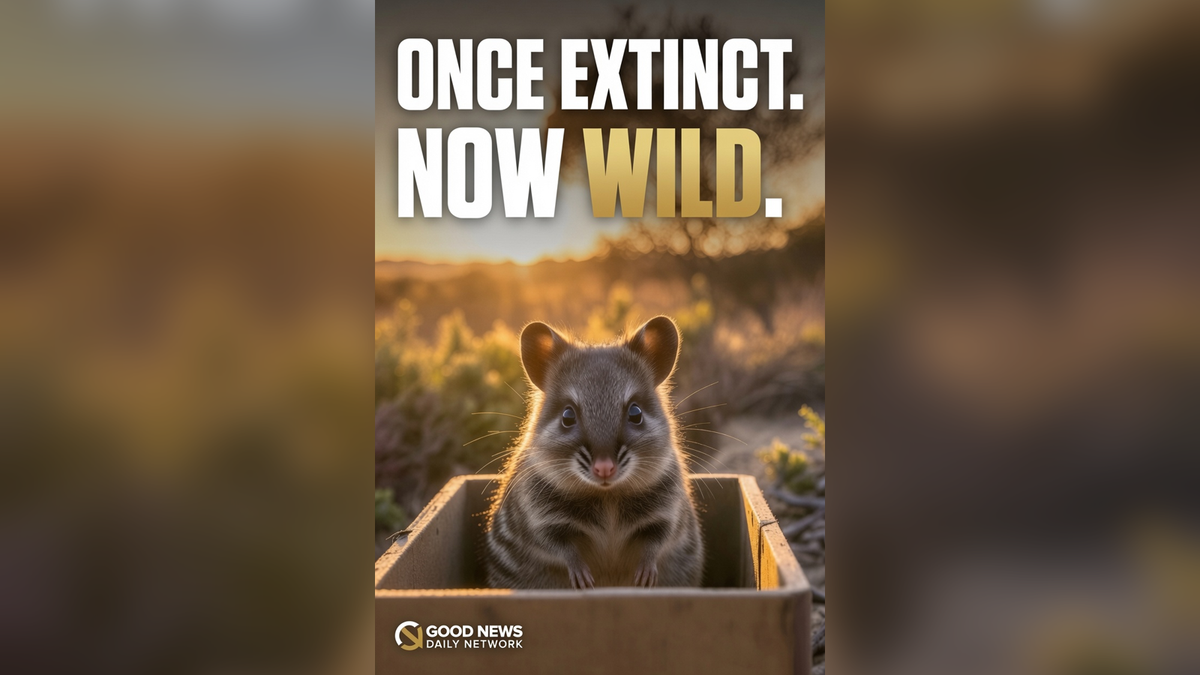
Declared extinct in the wild in 1991, the eastern barred bandicoot was down to about 60 animals living in a rubbish tip. This spring, a genetic-rescue program grew that population past 2,000 and released 100 of them onto an Australian island — the largest reintroduction of the species ever
✓ Verified · cross-checked against 2 independent sources
Thirty-five years ago, this animal didn't exist anywhere in the wild. Not one, anywhere on Earth. Then this spring, scientists released a hundred of them back onto an Australian island, using a genetic trick nobody had pulled off for this species before.
And the story of how they did it starts, of all places, in a garbage dump.
The eastern barred bandicoot is a small, rabbit-sized marsupial that once dug its way across southeastern Australia by the thousands, turning over soil, spreading seeds, doing the quiet work that keeps land healthy. But foxes, feral cats, and disappearing habitat wiped them out fast. By the late 1980s, only about sixty remained on the entire mainland, and some of the last survivors were found living among abandoned cars at a rubbish tip in Hamilton, Victoria. In 1991, the species was formally declared extinct in the wild. Every bandicoot left on the planet was in a breeding pen.
And even there, they kept hitting a wall. With so few animals left to pair up, inbreeding set in, and pups were born with deformed jaws that made it hard to dig or even chew. Simply breeding more bandicoots wasn't going to save the species. Something else had to change.
So a team at the Odonata Foundation, working with Cesar Australia and the Eastern Barred Bandicoot Recovery Team, tried something no one had done for this species before. They deliberately crossed mainland bandicoots with a separate population from Tasmania, two bloodlines that had been isolated from each other for more than ten thousand years. Mixing that long-separated gene pool produced healthier, more genetically diverse pups almost right away. "The most powerful part of this story is genetic rescue," said Dr. Andrew Weeks, the program's science advisor. "We've built a fit, feisty bandicoot population with far greater genetic health and a much better chance of survival than their inbred predecessors."
This spring, that healthier population reached a milestone: up to a hundred bandicoots were released onto Phillip Island, near Melbourne, the largest reintroduction of this species ever attempted, backed in part by Amazon's Right Now Climate Fund. It's one piece of a bigger plan the team calls "500-in-5": rebuilding a population of five hundred animals across at least five separate sites, so no single wildfire or disease outbreak could wipe the species out again.
And the team believes this trick doesn't have to stop with bandicoots. "The same methodology could help save endangered animals all over the world," said Michael Miller of Amazon's Right Now Climate Fund, which helped back the project.
Here's the part that gets me: a single bandicoot turns over close to three tons of soil a year. Multiply that by a hundred animals finding a foothold on an island, and you're not just saving a species, you're rebuilding an entire ecosystem's plumbing, one burrow at a time. And months later, Phillip Island's own conservation team is reporting exactly what you'd hope: more bandicoot sightings, spreading further across the island than before.
Sources: amazonau.gcs-web.com · nypost.com
Enjoy good news? Get your daily dose of sunshine free →
This post may contain affiliate links; we may earn a small commission at no cost to you. AI disclosure: our videos are produced with AI tools (ElevenLabs voice, Pictory) with human research, fact-checking, and editorial review on every story.
