
Living at a Grave — Until Now
Andrew Lunetta spent nearly a decade watching people cycle in and out of Syracuse homeless shelters — until he realized housing, not the people in it, was the problem. His nonprofit, A Tiny Home for Good, has since built small, private homes with long-term support for 47 people, including
✓ Verified · cross-checked against 2 independent sources
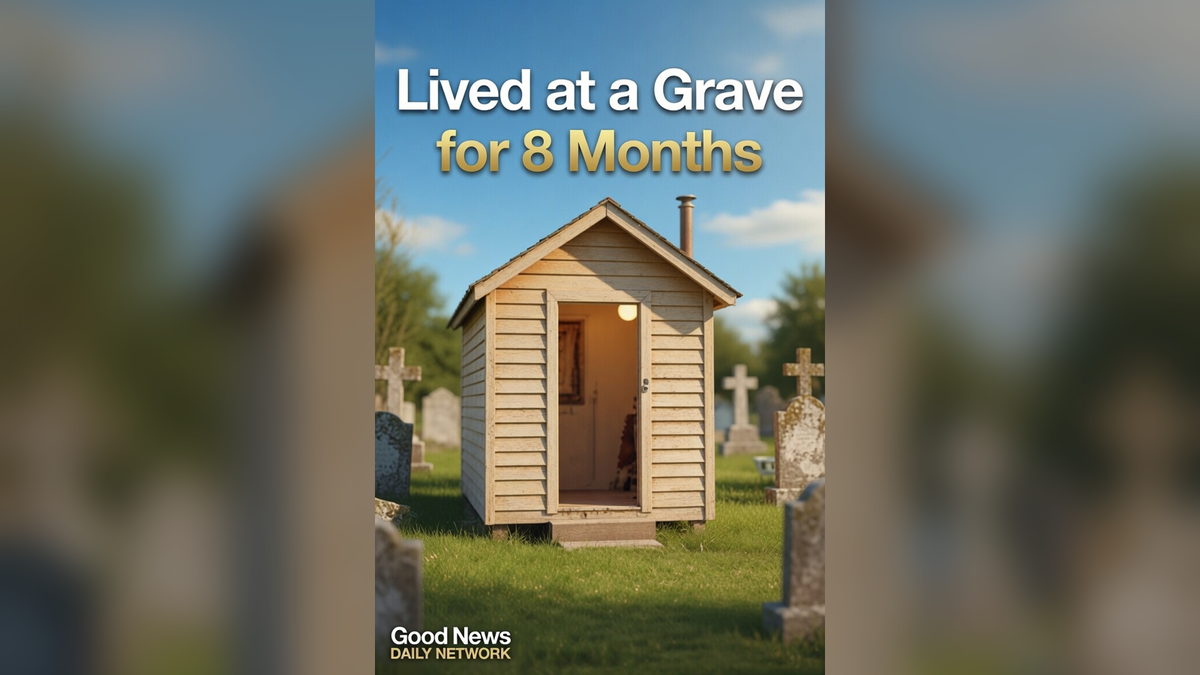
Rhea Holmes lived at her husband's grave for eight months. Not visited — lived. Slept there. Because after twenty-six years of marriage, when he died, the cemetery was the only place that still felt like home.
Today she has an actual one. Four walls, a kitchen, a washer and dryer, and a person whose whole job is making sure she never loses it again.
For nearly a decade, Andrew Lunetta watched the same heartbreaking cycle play out at homeless shelters in Syracuse, New York. Men would leave, move into whatever cheap housing they could find, and within months — sometimes weeks — they'd be back, looking for a bed again.
Everyone around him assumed the problem was the people. Lunetta came to a different conclusion: the housing itself was failing them. Shared rooms, shared hallways, zero privacy, zero say in your own life — that's not a fresh start. That's just a different kind of instability.
So he started asking people directly what they actually wanted. The answer, over and over, was almost embarrassingly simple: no roommates. A door that locks. A place that's theirs.
Out of that question came A Tiny Home for Good — small, complete houses, each with its own kitchen, bathroom, and washer and dryer, built and renovated specifically for people coming out of homelessness. About a decade later, the organization has built 23 of them and renovated nearly two dozen more properties. Forty-seven people now call one of these homes their own, with 23 more builds already underway.
But Lunetta will tell you the house is only half the model. His team stays in tenants' lives long after move-in — helping with addiction recovery, mental health care, even something as basic as replacing a lost ID. No sobriety requirement. No mandatory counseling. No deadline to move out. Just rent capped at what people can actually afford, and support that bends to whatever a person needs that week.
That's exactly what carried Rhea Holmes through. She moved into her tiny home in January with nothing but the clothes on her back, an iPad, and a phone. Her case manager helped her get back her birth certificate, her driver's license, her Social Security card — the paperwork of being a person again. Today that same small house is filled with plants and photographs and the quiet, ordinary clutter of a life being rebuilt.
"It's like freedom to just exhale," Holmes says. "Your nervous system is now able to rest."
This month, CNN named Andrew Lunetta a 2026 CNN Hero — the network's national recognition for people who reshape their communities from the ground up. It's a well-earned spotlight, but Lunetta seems almost uncomfortable with the title of "landlord."
"I still don't love being called a landlord," he says, "but it is true that's what we are. I think that what this population needs is landlords who care — and it's absolutely what we do."
Here's the bigger picture: homelessness isn't a character problem. It's a housing problem, wrapped around whatever hard thing knocked someone off balance in the first place — a death, an illness, a job lost. Andrew Lunetta didn't invent a cure for that. He just built forty-seven doors that lock, and forty-seven people on the other side of them who now get to call somewhere home.
As Rhea puts it: "The homeless population are still human. Any time your life can change."
What's one good thing that happened to you this week? Tell me in the comments.
Enjoy good news? Get your daily dose of sunshine free →
This post may contain affiliate links; we may earn a small commission at no cost to you. AI disclosure: our videos are produced with AI tools (ElevenLabs voice, Pictory) with human research, fact-checking, and editorial review on every story.
